
Understanding the Parameters
Before diving into specific regions, it's essential to understand the classification system used throughout this guide. Each zone is rated with a bottom-line status that tells you exactly what to expect.
Reference
A country-by-country reference on where wild camping is legal, conditional, or prohibited.
Before diving into specific regions, it's essential to understand the classification system used throughout this guide. Each zone is rated with a bottom-line status that tells you exactly what to expect.
The physical setup permitted by authorities makes a critical legal difference in many regions:
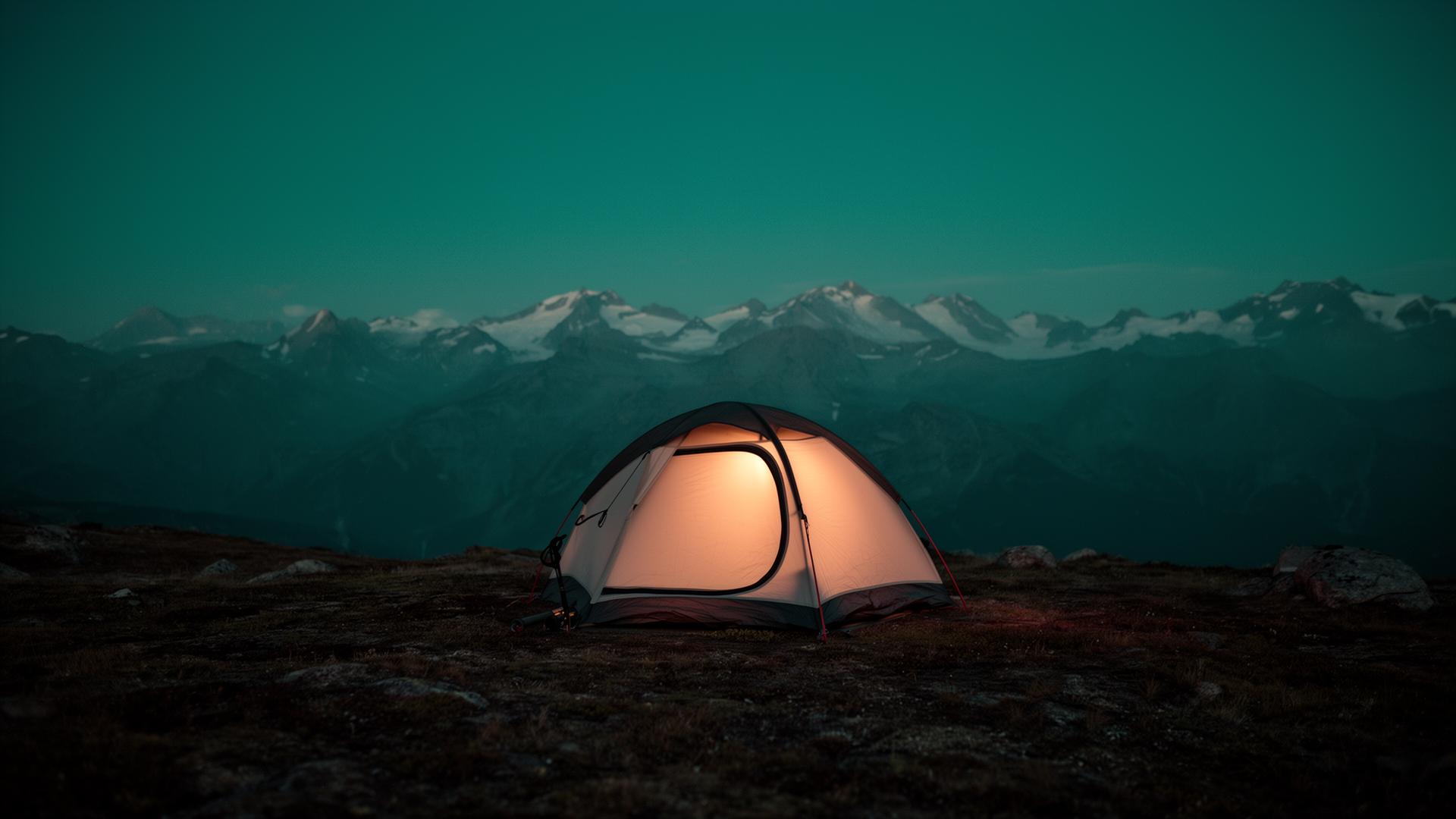
Tent: Standard structured shelter with poles.
Bivouac: A sleeping bag, bivy sack, or tarp with no structural poles. Crucial rule: Bivouacs must be set up at dusk and dismantled at dawn. If authorities see a shelter during the day, you will be fined.
Europe is not a monolithic entity. There is no unified continental law. The operational reality splits Europe into two distinct frameworks: the permissive North, governed by the legal open-access doctrine of the "Right to Roam" (Allemansrätten), and the restrictive West and South, where high population density, private land monopolies, and tourism protectionism make traditional wild camping strictly illegal.
Spontaneous overnighting in restrictive regions relies entirely on the legal distinction between Camping and Bivouacking. Camping involves a structured, multi-pole tent occupying a space during daylight hours, which attracts immediate police enforcement and fines. Bivouacking involves a minimalist setup (a bivy sack, tarp, or very small low-profile tent) deployed strictly for the purpose of sleeping.
In the Alpine and Western regions, bivouacking is the primary operational workaround used by hikers to bypass heavy camping bans.
Search 103 countries for detailed rules — zones, duration limits, and the bivouac vs. tent distinction.
Members only — free
Detailed per-country rules — zones, duration limits, and the bivouac vs. tent distinction — are free for GHO members.